
An AI harness is the software wrapped around a language model that lets it act instead of just talk. It manages memory, hands the model its tools, tracks progress across steps, and keeps a task moving across sessions the model itself can't remember on its own. Every AI agent you've used, Claude Code, a ChatGPT tool call, an n8n AI Agent node, is a model paired with one of these.
Why a language model needs one at all
A language model on its own is stateless: ask it something, it answers, and it forgets everything the moment that response ends. It can't remember earlier steps, can't call a tool by itself, and can't act on a file or a database. It predicts the next chunk of text and stops.
The harness is what sits around that model and handles everything the model can't: deciding when to call a tool, feeding back what the tool returned, keeping track of what's already been tried, and picking the work back up in a new session without starting from zero. The model reasons. The harness remembers, executes, and manages the loop between the two.
The three parts: model, harness, tools
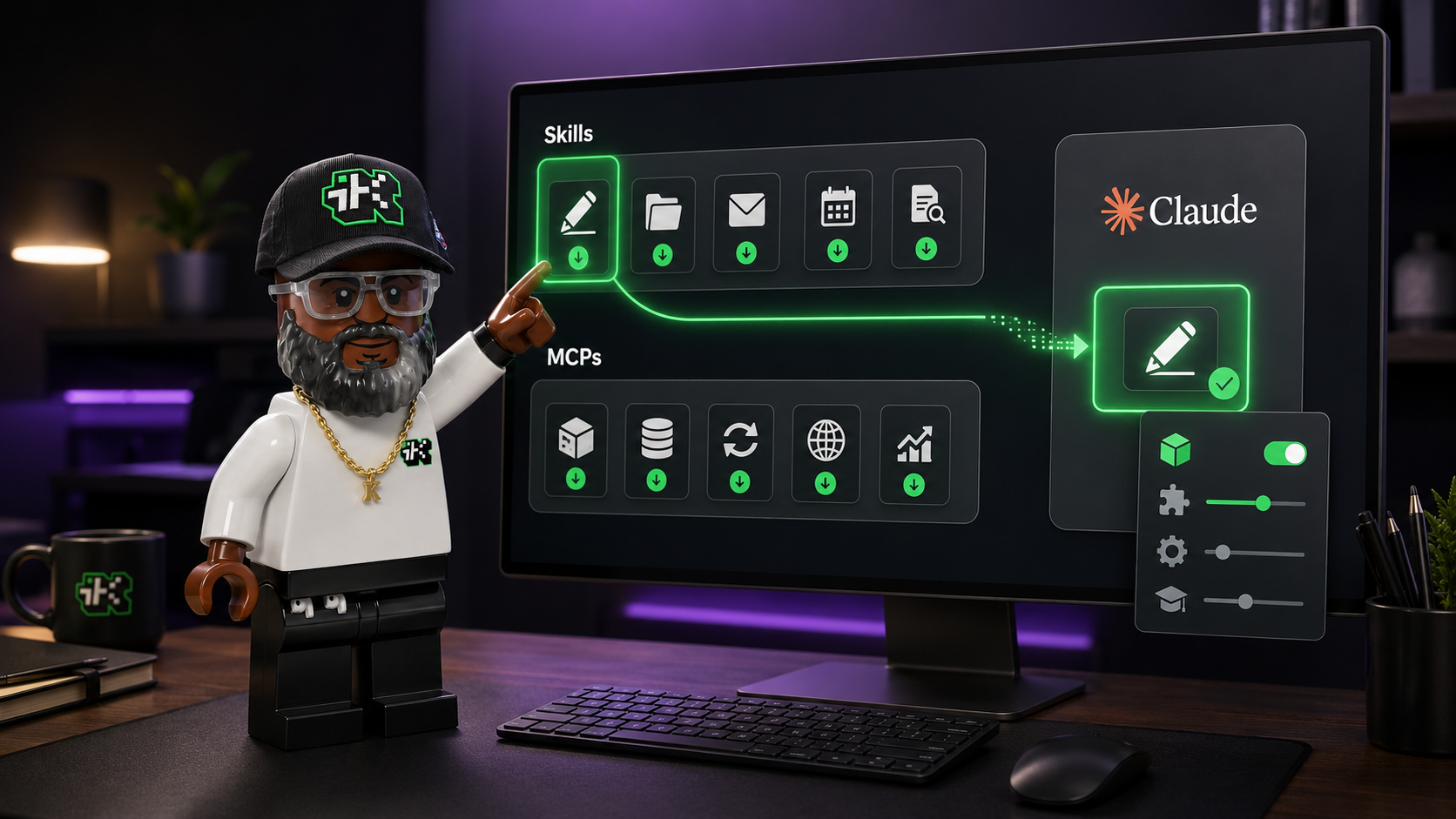
People building agents in 2026 settled on a simple way to talk about the pieces: model, harness, and tools. The model provides the reasoning. The tools are the outside systems it can reach: a file system, a code runner, a web search, a database. The harness sits between them. Wikipedia's entry on the term describes it as "the software infrastructure surrounding a large language model that enables it to operate as an AI agent."
One result of splitting the roles this way: the model becomes swappable. The same framing holds that multiple models can share one harness, since the model is a pluggable piece inside it rather than the whole system.
Where the term came from
The vocabulary is new. Wikipedia's entry on agent harnesses places the term's rise in early 2026, though credit for coining it is disputed between a February 2026 post from Mitchell Hashimoto and a piece titled "Anatomy of an Agent Harness" by Vivek Trivedy. Some earlier write-ups called the same idea agent scaffolding. Both point at the same piece of software.
What a harness manages
- Tool dispatch. Deciding which tool to call, with what input, and handing back what it returns.
- Memory and state. What's already happened this session, and, for longer-running harnesses, what happened in past sessions.
- Context management. Keeping the model's working context (the context window: how much of the current task the model can see at once) from filling up or losing track on a long job. Anthropic's own engineering team wrote directly about this in a March 2026 post on harness design: models "tend to lose coherence on lengthy tasks as the context window fills," and some exhibit what the post calls "context anxiety," wrapping up work early because the space feels tight.
- Guardrails. Permission checks and approval steps before a risky action, so the model doesn't delete a file or send an email without a check first.
Real examples you've probably already used
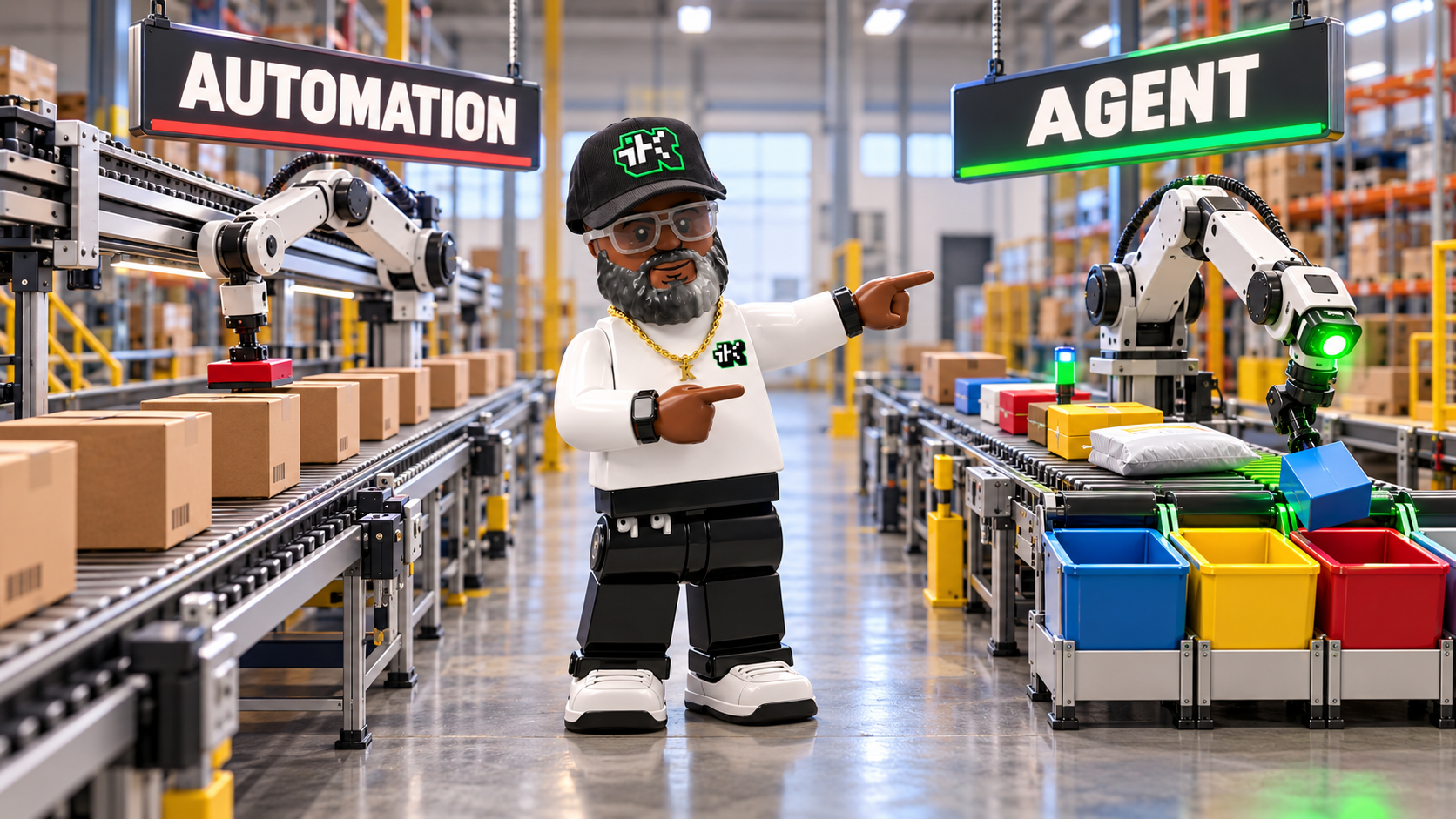
Claude Code, Anthropic's coding tool, is a harness for editing files, running tests, and managing git, wrapped around the Claude model. OpenAI's Codex and tools like Cursor do the same job around their own models. Even an n8n AI Agent node counts as a small harness: the node decides when to call a connected tool and feeds the result back to the model, inside what's otherwise a fixed automation workflow.
Why it matters more than which model you pick
A weaker model inside a well-built harness can outperform a stronger model with none, because much of what makes an agent reliable, not repeating failed attempts, not losing track of a multi-step task, checking its own work before calling something done, lives in the harness rather than the model.
Anthropic's post makes a related point about self-checking: models asked to judge their own work tend to praise it even when a human observer would call the result mediocre. A harness that hands the evaluating step to a separate pass, instead of trusting the model that did the work to grade itself, catches that failure before a person has to.
That's also why swapping in a newer, better model doesn't automatically fix a bad agent, and why a well-built harness around an older model can still get real work done today.
Sources:
en.wikipedia.org/wiki/Agent_harness ·
anthropic.com/engineering/harness-design-long-running-apps